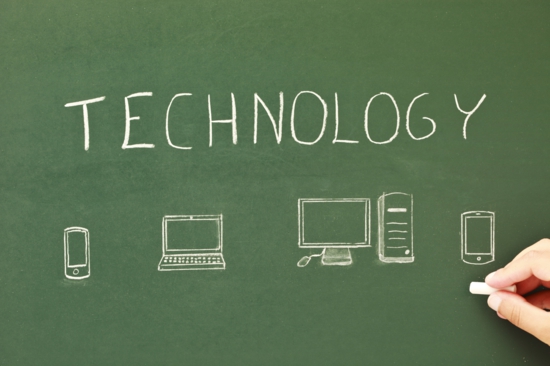
 |
| Image found here. |
As
our course begins to end I find myself beginning to reflect on the course as a
whole, and on what I believe that the main takeaways have been. One of the most
predominate 21st century
literacy that I believe will really effect my students in the future is
technological literacy. Technology is an ever growing phenomenon and it is
inevitable that it will play a huge role in my future student’s lives.
Therefore I believe that it will be crucial to actively and effectively
integrate various technological resources and tools into my classrooms. What I
find most interesting about this is notion is how much the concept of utilizing
technology in the classroom has changed. I remember that when I was in school
“using technology” involved going to the computer lab once a week to play on
computer applications such as Kid Pix, which is a similar, less advanced version of MS Paint that is
available on most PCs today. While at the time this was a new and exciting form
of expressing ideas, it is nothing in comparison to the vast amounts of
resource and tools available to students today. In classrooms today, technology
cannot only be used for educational games, but also for teacher resources, social
media, interactive tools for the classroom, as well as individualized support
for the students that need it. It is clear that technology is quickly becoming
a skill that teachers in the 21st century
need to be comfortable with in order to be successful in their careers. This
blog post will focus on interesting new technologies and tools that I have
encountered and discovered that can be used in your future classroom.
Teacher Resources
 |
| Image found here. |
One of the great things about the technological advancement of our society
is vast amounts of online and digital resources that have become available for
educators and future teachers like myself. Going digital in terms of planning
and organization gives the opportunity for teachers to have access to more and
more information and tools than ever before. Our class was lucky enough to have
a guest speaker present on an excellent source for current and future teachers
to use to organize all of their links of online resources and ideas in a
digital format that can be shared and accessed by educators across the
province. The Cube is a great resource for teachers to have because it creates one central
location for us to keep these technological tools and ideas. In my four years
of university I have been exposed to so many great and educational ideas that I
would love to use in my future classroom. However, I will admit that it has
been a struggle to keep them all in one place where I know that I can find them
later. This tool would eliminate this worry as even students who are a part of
a Faculty of Education (like myself) have access to this. With the rise of
social media and technology I find that I am constantly coming across
information, ideas, activities, and new and interesting ways of teaching
students in the 21st century. Social media websites like facebook,
pinterest, and even twitter are constantly spreading concepts that I find
interesting and that I would like to save. We have learned throughout this
course that creating our digital foot print will ultimately benefit us when we
are looking for teaching jobs and for when we get a classroom of our own. Having
a central location to save and share ideas (such as the cube) will help
teachers like myself stay organized and current with regards to their teaching practices
and the content that they teach.
Classroom Technology
 |
| Image found here. |
Throughout my experiences volunteering and conducting placements in
primary and junior classrooms, I have had the awesome opportunity to see new
technology in action. When I was in school smart board technology was only just
created, and we had one board for our entire high school of 1000+ students,
that would be wheeled around to the classrooms for the teachers that booked it.
It would then have to be calibrated and if anyone bumped into it or if it
shifted the slightest bit, we would have to stop what we were doing to
recalibrate. This was problematic because most of the teachers did not have the
training and/or the patience to use it properly. Our first smartboard actually
got ruined because I teacher used a permanent marker on it, rather than the
specialized pens that it comes with. That all being said, it is clear that
steps are being taken to ensure that new technologies are used correctly in
classrooms. I know that now there are professional development classes for
teachers to take that teach them about tools such as smartboards and Ipads and
how they can effectively integrate into their classroom learning. In most of
the classrooms that I have been placed in there has been a permanent smart
board located in the classroom. As this is a permanent technological tool, much
of the troubleshooting issues are not experienced and students’ learning is
rarely hindered.
In
preparation for my final assignment I have been following an account on twitter
that shares resources and information regarding teaching students with special
needs and individualized education plans. A common technological tool that is
brought up is the iPad. iPads are another tool that I have commonly seen
implemented into the classrooms that I have volunteered in, and I believe that
they can be a great resource for children who need individualized learning.
There is a breadth of educational applications available on this device that
teachers can use to ensure that all of their students have equal access to
education that is best suited to their individualized needs. As I was exploring
for this topic I came across this blog regarding iPads and all of the different ways that they can be used to
an educators advantage. Give it a read if you are interested learning more
here.
This
blog post shared some great educational tools for all future educators out there;
however this is just the tip of the iceberg. I encourage all of my colleagues
to explore and collaborate technological tools and online resources so that we
can help bring our future students into our technological society successfully. Happy teaching!
 |
| Image found here. |


